10 Magical Sidekick Ideas for Personalized Kids Stories
Every bedtime hero needs a friend who won't abandon them in chapter two. That's why magical sidekick ideas for personalized kids stories matter—helpers make adventures feel safer, funnier, and easier to finish before lights-out.
Short answer: great story sidekicks are loyal, a little quirky, and good at one helpful job—lantern guide, worry-catcher, map-reader, giggle translator, brave-but-not-reckless buddy. Pick a sidekick your child already loves (pet, stuffed animal, imaginary friend) and give it a clear, kind role.
Why sidekicks beat solo heroes at night
A child alone in a dark forest can feel exciting at 3 p.m. At 8:30 p.m., it can feel like a mistake. A sidekick says: you don't have to do bravery by yourself.
Sidekicks also give you, the tired narrator, an easy plot engine. When you stall, the sidekick notices a clue, drops a snack, or reminds the hero to breathe.
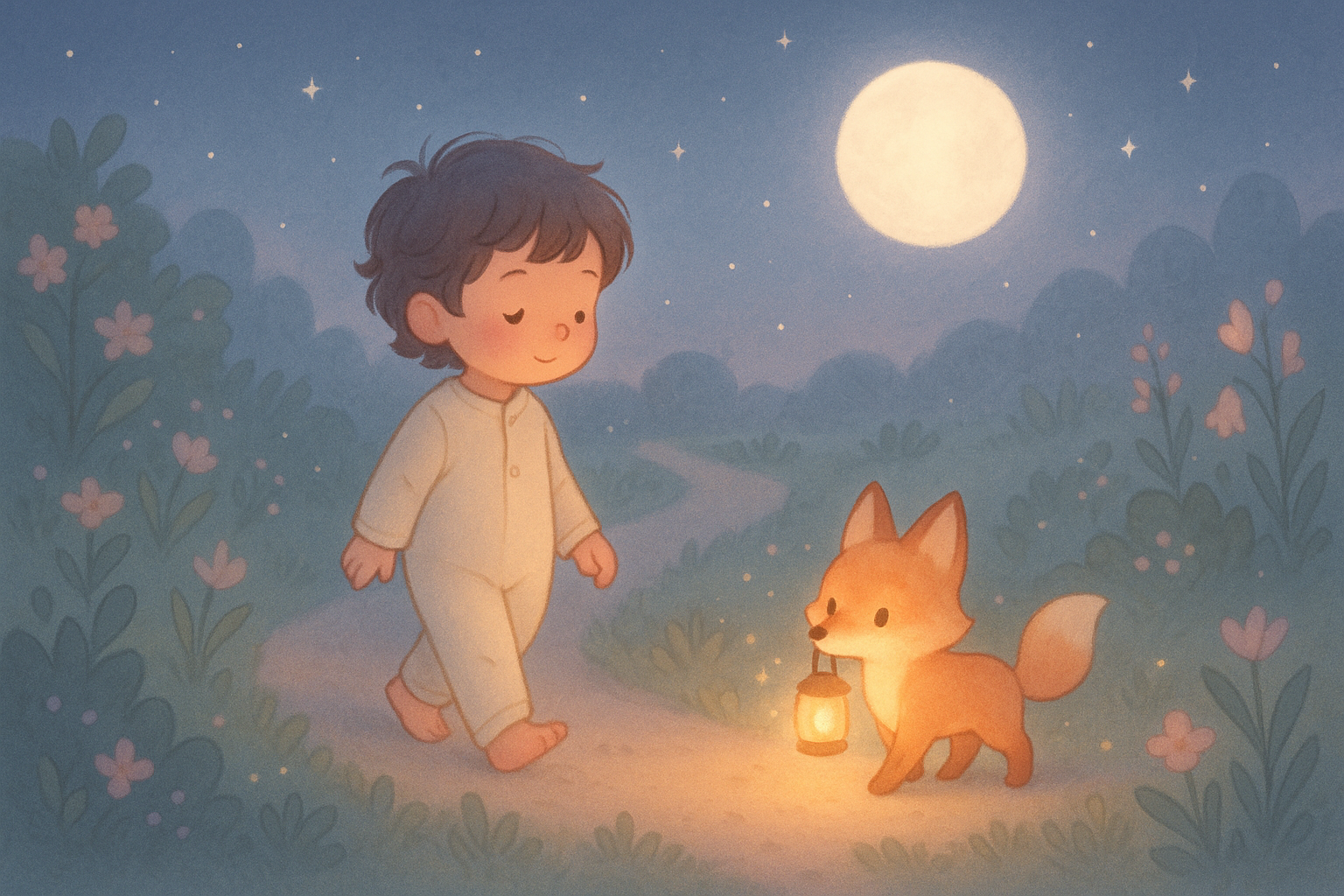
1. The lantern fox
Soft glow, excellent at finding misplaced courage (and misplaced shoes). Keeps night themes gentle.
2. The pocket dragon who only breathes warm cocoa steam
Tiny, polite, allergic to real danger. Perfect for kids who want "dragon" without fire panic.
3. The map snail
Slow on purpose. Teaches patience. Always arrives with the next tiny step, never a terrifying shortcut.
4. The echo bird
Repeats the child's brave words back to them. Great for anxious kids who need to hear "I can try" twice.
5. The sock wizard
Found in laundry piles. Specializes in matching pairs and ridiculous hats. Low-stakes magic parents can improvise forever.
6. The moon mailbox mouse
Delivers kind notes from the night sky. Helps kids who miss grandparents or need a "someone's thinking of you" feeling.
7. The puddle otter
Expert in splashy feelings. Helps name "big weather in my tummy" without a lecture.
8. The quiet knight made of blankets
Armor is cozy. Sword is a pillow. Protects the bed more than any castle.
9. The recipe raccoon
Packs snack courage for short quests. Ideal for stories that end with returning home for water and sleep.
10. The real-life stuffed animal, promoted
Don't overlook the deputy already on the pillow. Give Pip or Bella a job: worry holder, door checker supervisor, story listener. Personalized bedtime stories shine when the actual toy gets a speaking part.
How to build a sidekick in under a minute
Use this fill-in:
- Name:
- One talent:
- One funny flaw:
- One way they help the child hero:
- How they say goodnight:
Example: "Pip the fox. Talent: glowing whiskers. Flaw: steals crackers. Helps by checking closets with Dad. Goodnight line: 'Brave is quiet sometimes.'"
Keep magic bedtime-safe
- Magic should have kind rules
- Sidekicks don't disappear, betray, or get permanently lost
- Problems stay small and finishable
- End at home, bed, or a soft "tomorrow" door
If you want the sidekick without inventing lore at 8:12 p.m., personalized story tools like SlumberTales can weave your child's chosen helper into a short adventure you read aloud.
Sidekick rotation without fights
Keep a menu of three. Let your child pick tonight's helper from two options. Reuse settings; change the small problem. Familiar crews reduce bedtime politics.
Sidekick don'ts (learned the hard way)
Avoid sidekicks who vanish, tease the child meanly, or solve everything while the hero freezes. Kids copy relational tone. A helper who panics, then steadies, teaches more than an all-powerful wizard who never needs bedtime.
Also avoid unfinished quests. Bedtime sidekicks bring the hero home. Save multi-night sagas for weekends if your child can handle suspense—many can't after dark.
If your child invents a chaotic new sidekick every night, welcome the creativity, then nominate one "on duty" helper for sleep hours. The rest can wait in the toy basket until morning play.
Name the sidekick out loud during daytime play too. When the same helper shows up at bedtime, the brain files it as familiar—not a new character to evaluate when energy is gone. Familiar helpers shorten the runway to sleep.
FAQ
Q: Should the sidekick be magical or realistic? A: Either works. Magical helpers add wonder; realistic pets and toys add trust. Many kids love a blend.
Q: What if my child wants a scary sidekick? A: Soften the edges. A "skeleton" can be a silly bone-rattling comedian who hates loud noises after 8.
Q: Can siblings share one sidekick? A: Yes—make a crew story. Or alternate who leads while the sidekick stays constant.
Q: How many sidekicks are too many? A: More than two active helpers in one short bedtime story gets noisy. Save the full Avengers cast for daytime play.
Q: Do sidekicks help anxious kids? A: Often. A loyal helper externalizes comfort and gives kids language like "my fox can hold that worry."
Q: What age are sidekick stories best for? A: Toddlers through early elementary especially. Older kids may want cooler lore—but still prefer loyalty over horror at night.
Q: Can I reuse the same sidekick every night? A: Absolutely. Repetition builds the sleep cue. Vary the tiny quest instead.
Q: How do personalized stories use sidekicks differently than picture books? A: Personal details make the helper feel like theirs. Picture books offer shared culture; personalized tales offer recognition.